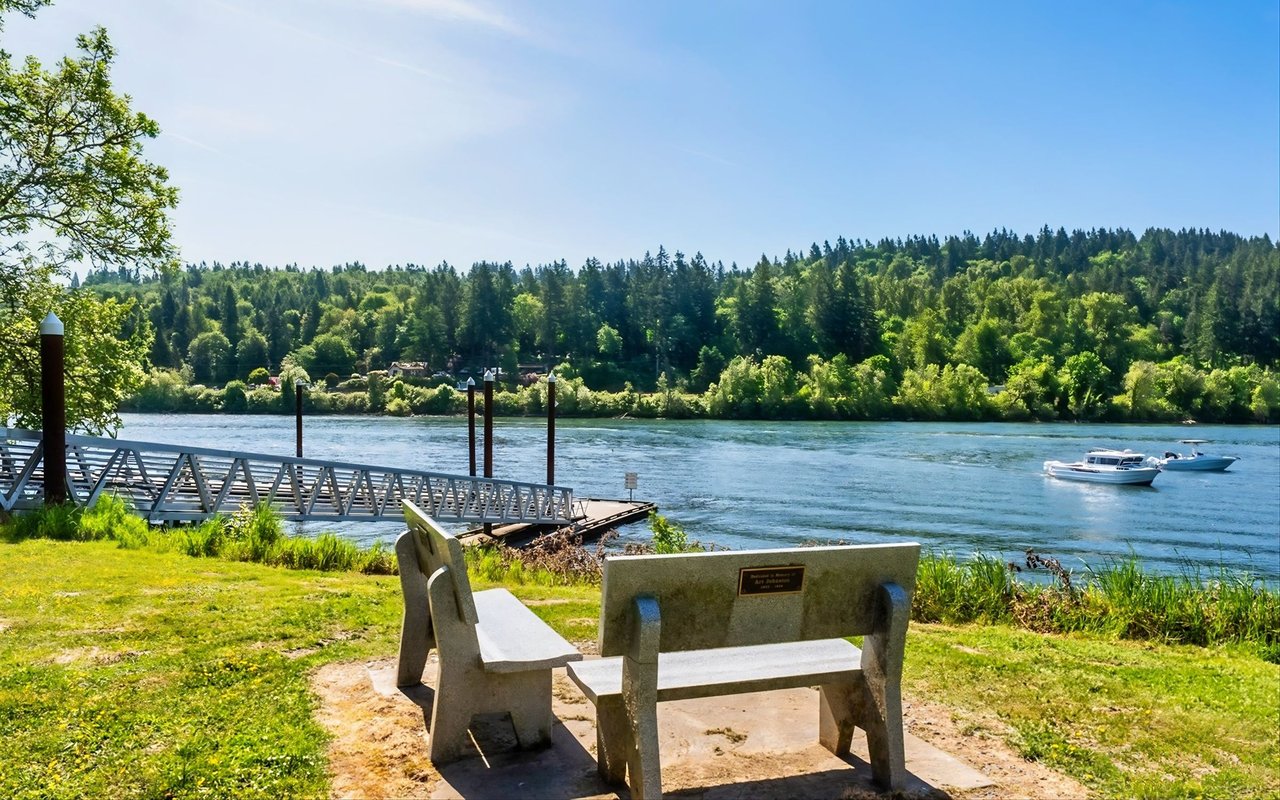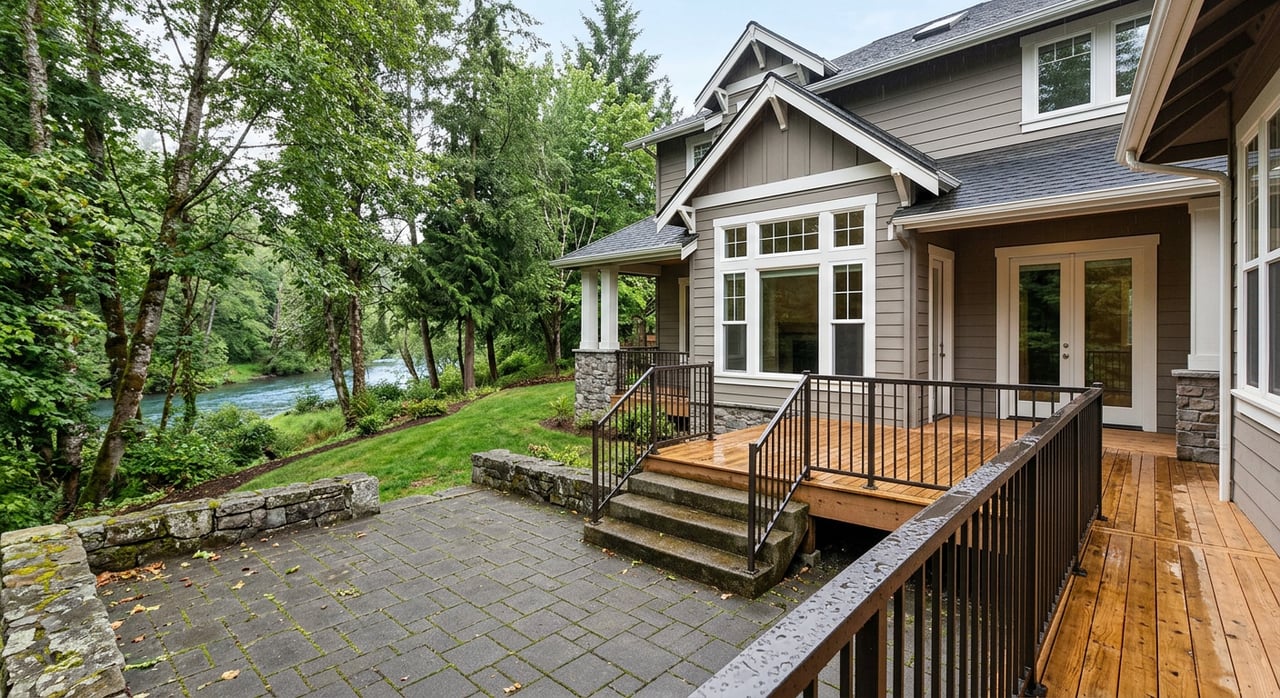
Imagine waking up to quiet water, early paddlers gliding by, and a blue heron in the shallows. That is a normal morning when you live near the river in West Linn. You get small-town charm, quick access to parks and trails, and a front-row seat to Willamette Falls. In this guide, you will learn how riverfront and river-view living actually feel, where locals launch and walk, and the smart checks to make on flood, insurance, and docks before you buy. Let’s dive in.
Where the rivers shape life
West Linn sits on the west bank of the Willamette River near iconic Willamette Falls, with the Tualatin River joining nearby. The falls are both a scenic and historic landmark shared with Oregon City across the water. If you are new to the area, it helps to picture how close homes, parks, and the rivers really are. Get your bearings with a quick look at Willamette Falls and its setting.
Riverfront vs. river-view homes
Down on the water
Some homes sit very close to the river at lower elevations. You may see lawns to the bank, private docks, or easy hand-carry access for kayaks. These addresses often fall near mapped floodplains, and any new work by the bank or in the water can trigger extra permits. Expect closer attention to elevation, drainage, and insurance during due diligence.
On the hill with a view
Other homes perch on terraced hills that overlook the Willamette or Tualatin. You still get the water in your daily view, often with sunsets or a glimpse of islands or the falls. These properties are typically outside FEMA’s 100-year flood zones, which can simplify insurance and permitting compared to true riverfront. Many have been updated to frame the view with large windows and decks.
Everyday lifestyle and access
You do not need a private dock to enjoy the river here. West Linn maintains a network of parks, trails, and launches that make the river feel like a shared backyard. Locals use Bernert Landing, Cedaroak Boat Ramp, Fields Bridge Park, Mary S. Young Park, and more for paddling, fishing, dog walks, and picnics. You can browse these sites on the city’s parks and facilities page.
On weekends, you will see paddleboards and kayaks heading out along the Willamette Water Trail. Short out-and-back trips to scenic islands or toward the falls are common. If you like to plan your route, the Willamette Water Trail guide offers a helpful overview of access points.
For a dry-land day, the Camassia Natural Area adds seasonal color and views over the river corridor. Spring camas blooms and easy loop trails make it a favorite close-to-home outing. Learn more about Camassia and its trails.
Fishing with confidence
Anglers are active on these stretches, but many check state guidance before planning a meal from the river. The Oregon Health Authority publishes fish consumption advisories for parts of the lower Willamette. Review the latest OHA advisory updates so you can enjoy the sport and make informed choices about eating your catch.
Flood risk and insurance basics
In West Linn, elevation matters. FEMA maps identify Special Flood Hazard Areas, commonly zones A or AE, along the Willamette and Tualatin. If a home is inside one of these zones and you use a federally regulated mortgage, flood insurance is required. You can check any address in the FEMA Flood Map Service Center.
The city also updates local rules to reflect lessons from past high water, including the February 1996 flood. West Linn revised its floodplain standards in 2022 and may apply added caution in some overlays. Before you buy, it is wise to scan the city’s flood management code and contacts to understand how permitting works.
On price and coverage, FEMA’s Risk Rating 2.0 now uses property-specific factors like distance to water, elevation, foundation type, and replacement cost. That means two nearby homes can see very different premiums. For the details, review FEMA’s Rate Explanation Guide, then request an address-level quote.
Docks and in-water work
Thinking about a private dock or boat lift, or inheriting one with a purchase? In Oregon, docks and other structures on state waterways typically need authorization from the Department of State Lands. Larger projects may also require removal-fill permits and, in some cases, federal approvals. Verify the status of any existing dock and permits before you rely on them. Start with DSL’s overview of waterway authorizations.
Buyer checklist for river living
Use this quick list to focus your due diligence:
- Confirm the flood zone. Look up the address in the FEMA Map Service Center. Note zone and base flood elevation, if shown.
- Gather elevation and permit records. Ask for any Elevation Certificate on file. Request the city’s floodplain development permit history via planning staff listed on the flood management code page.
- Price insurance early. Get quotes from an agent who can compare NFIP and private flood policies. Expect variations due to Risk Rating 2.0.
- Verify docks and bank work. If the property includes a dock, confirm Oregon DSL authorization and any renewals using their authorizations guidance.
- Walk the block and listen. River stretches vary. Some near the falls have heritage industrial backdrops, while others are parkland and residential. A site visit at different times of day is best.
Market context and home styles
As of early 2026, citywide median sale prices in West Linn often show in the 800,000 to 850,000 dollar range in aggregator snapshots. Riverfront parcels with private access or docks commonly trade well above those medians. Prices vary by street, elevation, and lot features, so use a fresh, address-specific analysis when you are serious about a property.
You will find a mix of historic early 20th-century homes, craftsman bungalows, mid-century pockets, and contemporary builds on the hills facing the water. City planning materials document this variety across the Willamette corridor, highlighting both older neighborhoods and post-1975 development. For context, see West Linn’s planning resources and historic surveys referenced in city records and meeting archives.
Pros and tradeoffs to weigh
- Strong access to parks, launches, and trails with a relaxed riverside vibe.
- Choice between true riverfront character or elevated views with typically lower flood exposure.
- Added diligence for flood, insurance, and any in-water features when you are right on the bank.
- Popular weekend use of parks and launches creates active, community-oriented river access.
Next steps
If river living in West Linn fits your lifestyle, your best move is to pair the dream with clear due diligence. You will want address-specific flood and insurance checks, a permit history review, and a grounded pricing strategy that reflects lot position and water access. For a tailored plan, neighborhood tours, and negotiation-first representation, connect with Lisa Hanna. Schedule a free consultation and get a clear path from first look to confident offer.
FAQs
Do West Linn riverfront homes require flood insurance?
- If a home is mapped in a FEMA Special Flood Hazard Area and you use a federally regulated mortgage, flood insurance is required. Check the address in the FEMA Map Service Center and request a quote.
How is flood risk priced under FEMA’s Risk Rating 2.0?
- Premiums use property-specific factors such as distance to water, elevation, foundation type, and replacement cost, so two nearby homes can differ; see FEMA’s Rate Explanation Guide.
Where can I launch a kayak in West Linn?
- Locals often use Bernert Landing, Cedaroak Boat Ramp, and Fields Bridge Park, listed on the city’s parks and facilities page, plus routes from the Willamette Water Trail guide.
What should I check if a property comes with a dock?
- Confirm Oregon Department of State Lands authorization and any removal-fill permits or renewals; start with DSL’s waterway authorizations and request documentation from the seller.
Are there health advisories for eating fish from the Willamette near West Linn?
- The Oregon Health Authority issues fish consumption advisories for parts of the lower Willamette; review current guidance in the latest OHA advisory update before you eat your catch.