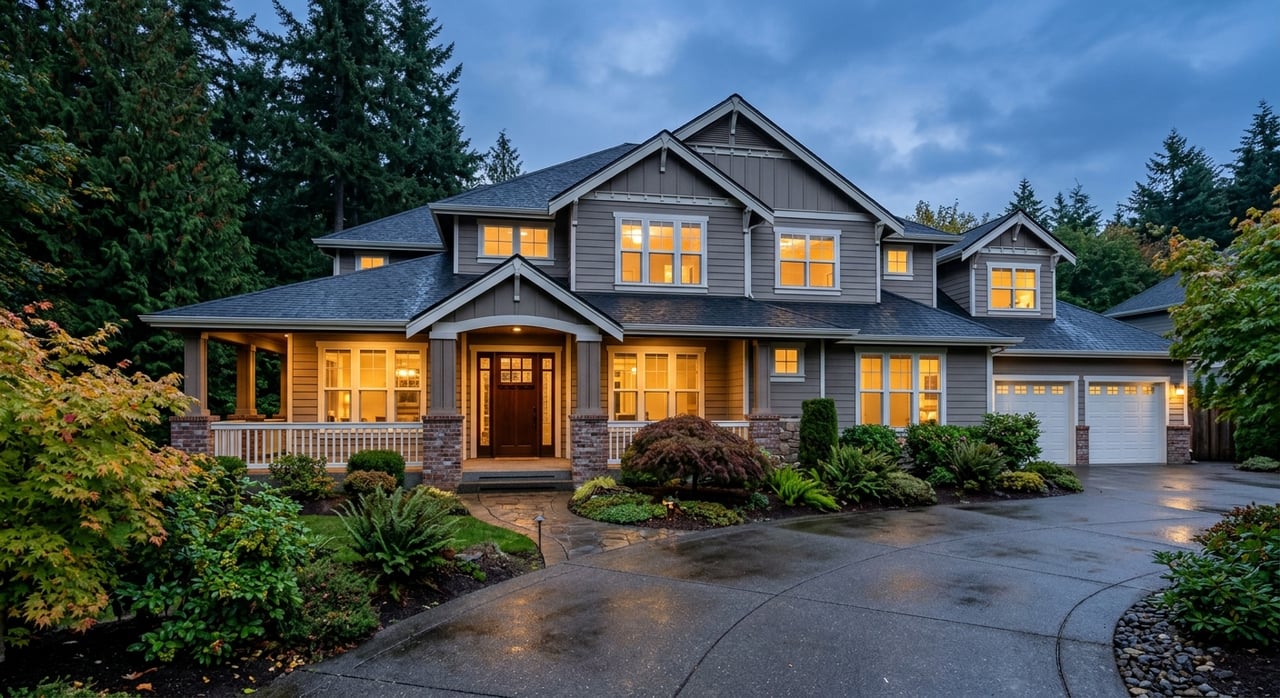
If you are selling an upscale home in West Linn, you cannot count on the market to do all the work for you. Buyers are still active, but they are more selective than many sellers expect, especially at higher price points. The good news is that with the right pricing, presentation, and preparation, you can still position your home to stand out and protect your bottom line. Let’s dive in.
West Linn luxury market reality
West Linn is not an anything-sells market right now. March 2026 data points to a selective seller’s market, with Realtor.com reporting a median listing price of $877,000, a sale-to-list ratio of 100 percent, and 53 median days on market.
Other sources tell a similar story, even if the exact numbers differ. Zillow showed an average home value of $777,229, a median sale price of $785,000, a median sale-to-list ratio of 0.984, and 37 median days to pending. Redfin reported a median sale price of $775,000, homes selling in 77 days on average, and about two offers per home.
The key takeaway is simple: presentation and pricing still matter. Buyers are willing to pay for a home that feels well-positioned, but overpricing or underpreparing can lead to more days on market and more negotiation.
West Linn has micro-markets
For upscale sellers, citywide averages only tell part of the story. West Linn has distinct pockets with different price points and pacing, and those differences can affect how your home should be launched.
Realtor.com’s neighborhood data shows median listing prices ranging from about $762,000 in Parker Crest to $1.19 million in Robinwood. Days on market also varied widely, from 34 days in Robinwood to 90 in Parker Crest. That means your home should be priced against relevant neighborhood-level competition, not just a citywide headline number.
Price for leverage, not hope
One of the biggest mistakes luxury sellers make is pricing based on aspiration instead of evidence. In a market where many homes close near asking price on average, it can be tempting to push the number and wait for the right buyer.
But the broader data suggests caution. Zillow reported that 66.6 percent of sales closed under list price, and the median sale-to-list ratio was 0.984. That signals a market where buyers are engaged, but they are still comparing condition, value, and alternatives carefully.
Why precision matters more at the high end
Upscale homes tend to have a narrower buyer pool. The more unique your home is, the more important it becomes to price with discipline from day one.
A strong pricing strategy should consider:
- Recent nearby comparable sales
- Current competing inventory in your price range
- Your home’s condition and updates
- Lot, layout, privacy, and overall presentation
- Neighborhood-specific market pace
When your price and presentation line up, you create leverage. When they do not, you risk sitting longer and giving buyers room to ask for concessions.
Start preparing before you list
A polished sale often starts weeks before the listing goes live. That is especially true in Oregon, where disclosure is not something to leave until the last minute.
Under Oregon law, the seller’s property disclosure statement is based on your actual knowledge and is not a warranty. Buyers also have five days to revoke their offer after delivery of the disclosure statement unless that right is waived. That makes early preparation important for both timing and negotiation.
Build your seller file early
Before your home hits the market, gather the records that help support a clean, credible listing package. This can reduce surprises later and make it easier to answer buyer questions quickly.
Helpful items to collect include:
- Repair invoices
- Permit records
- Service and maintenance records
- Appliance or system warranties
- Notes on known issues or past repairs
A complete pre-list file can help support smoother negotiations because buyers feel better informed from the start.
Focus on high-impact prep
When sellers think about getting ready, they often jump to expensive upgrades. In many cases, the highest-value work is much more practical.
According to the 2025 NAR staging report, the most common recommendations were decluttering the home, cleaning the entire home, and improving curb appeal. Those are not flashy projects, but they directly affect first impressions and how buyers read the home’s condition.
Where to spend your effort
The same report found that the rooms most commonly staged were the living room, primary bedroom, dining room, and kitchen. That matters because it shows where presentation tends to have the strongest impact.
For many West Linn upscale sellers, the smartest pre-list plan includes:
- Deep cleaning throughout
- Removing excess furniture and personal items
- Refreshing entry and front landscaping
- Tightening up the living room, kitchen, and primary suite
- Addressing visible deferred maintenance
This approach helps your home feel finished, cared for, and easy to understand. Buyers do not need every space to feel dramatic, but they do need the home to feel cohesive.
Stage for clarity, not overdesign
Luxury buyers want to see quality, flow, and scale. They also want to picture how they would live in the home. That is why staging works best when it supports the architecture instead of competing with it.
The 2025 NAR report found that 83 percent of buyers’ agents said staging made it easier for buyers to envision the property as their future home. It also found that 29 percent of agents said staging led to a 1 percent to 10 percent increase in the dollar value offered.
What staging should accomplish
In an upscale West Linn listing, staging should make the home feel calm, readable, and move-in ready. A restrained, neutral approach often works better than a strong design statement that could narrow your audience.
Keep the focus on:
- Clear room purpose
- Easy traffic flow
- Natural light
- Balanced scale
- Clean surfaces and visual calm
This is especially important in the spaces buyers care about most. Living rooms, primary bedrooms, and kitchens tend to carry the most weight, while secondary bedrooms usually matter less.
Premium media is not optional
When buyers shop in higher price ranges, they often eliminate homes before scheduling a showing. Your online presentation has to do more than look attractive. It needs to communicate space, condition, and flow.
That is where professional media becomes essential. In the same NAR report, buyers’ agents rated photos as highly important most often, followed by physical staging, videos, and virtual tours.
What your launch should include
For an upscale home in West Linn, premium marketing should help buyers understand the home before they ever step inside. That can create stronger interest from serious buyers and better showing quality.
An effective launch package may include:
- Professional photography
- Thoughtful room sequencing
- Video that shows flow and scale
- Virtual tour assets that support remote review
- Marketing that highlights condition, layout, and setting clearly
This fits well with the boutique, presentation-first approach that Lisa Hanna Properties is known for. Strong marketing is not just about exposure. It is about helping the right buyers see the value quickly.
Expect negotiation, even with a strong listing
Even a beautifully prepared home may not sell without some back-and-forth. West Linn’s market data suggests that buyers are active, but not careless.
Realtor.com showed homes selling at roughly asking price on average, while Zillow and Redfin data point to under-list closings, longer timelines in some cases, and about two offers on average. In practical terms, that means you should be ready for questions, terms discussion, and possible concessions.
Negotiation starts before the first offer
The strongest negotiating position is built long before an offer arrives. Accurate pricing, clean presentation, and organized disclosures all help reduce buyer uncertainty.
When buyers feel confident in what they are seeing, they are less likely to build extra risk into their offer. That can support stronger terms, fewer surprises, and a smoother path from contract to closing.
Your upscale seller playbook
If you want a simple framework, focus on these five moves:
- Study the right comps based on your West Linn micro-market, not just citywide averages.
- Price strategically so your home enters the market with credibility and leverage.
- Prepare disclosures early and organize records before launch.
- Invest in visible presentation such as decluttering, cleaning, curb appeal, staging, and professional media.
- Plan for negotiation so you can respond from a position of strength, not stress.
Selling an upscale home is not about doing everything. It is about doing the right things in the right order.
If you are preparing to sell in West Linn and want a tailored strategy for pricing, presentation, and negotiation, Lisa Hanna offers the high-touch guidance and premium marketing approach that luxury sellers value.
FAQs
What is the West Linn market like for upscale home sellers?
- West Linn is behaving like a selective seller’s market, with active buyers but enough choice that pricing, presentation, and neighborhood-specific strategy still matter.
How should you price a luxury home in West Linn?
- You should price using nearby comparable sales, current competing inventory, your home’s condition and features, and the pace of your specific West Linn micro-market.
What Oregon disclosure rules matter when selling a home?
- Oregon’s seller property disclosure statement is based on your actual knowledge, and buyers generally have five days to revoke after receiving it unless that right is waived.
What home prep matters most before listing in West Linn?
- Decluttering, whole-home cleaning, curb appeal, and focused presentation in the living room, kitchen, dining room, and primary bedroom usually have the strongest impact.
Why does staging matter for an upscale West Linn listing?
- Staging can help buyers picture themselves in the home, support stronger perceived value, and in some cases help reduce time on market.
What marketing is most important for a luxury home sale in West Linn?
- Professional photography, strong room sequencing, video, and virtual tour assets are important because they help buyers understand the home’s scale, flow, and condition before they schedule a showing.