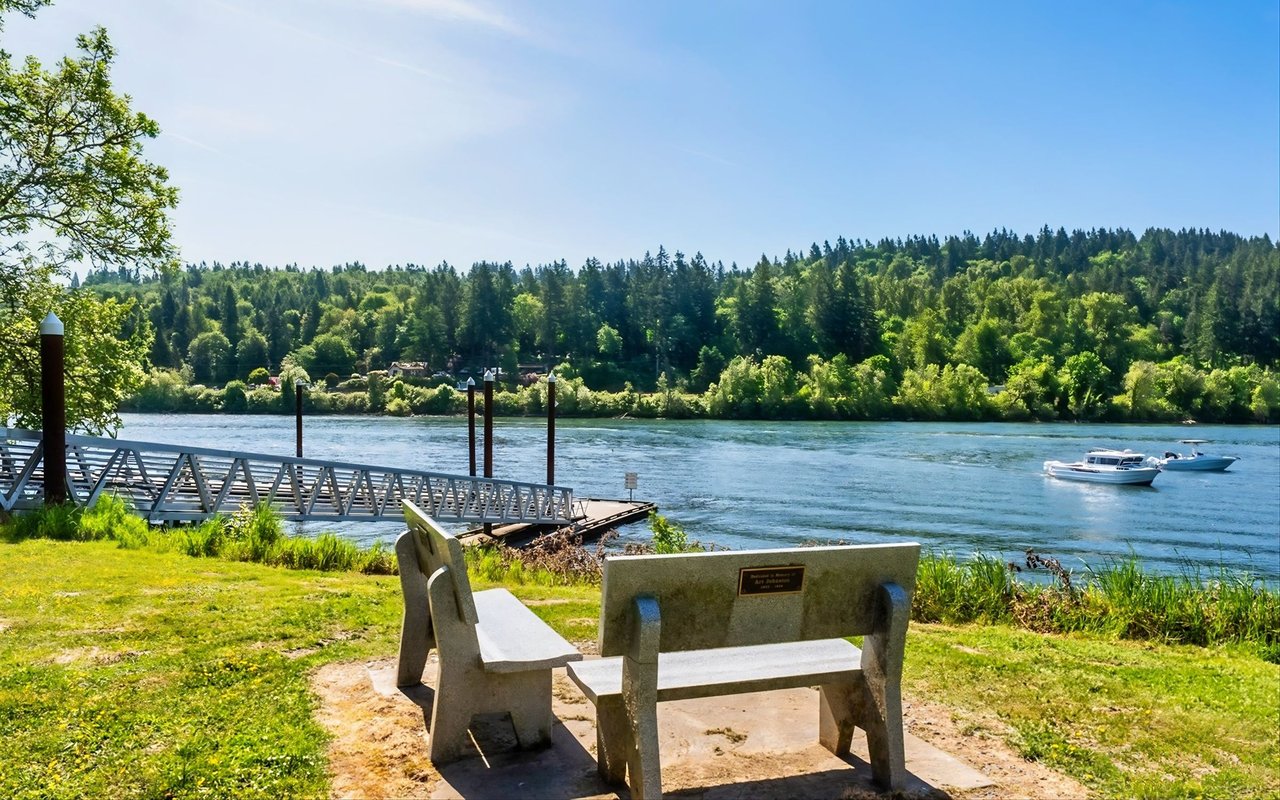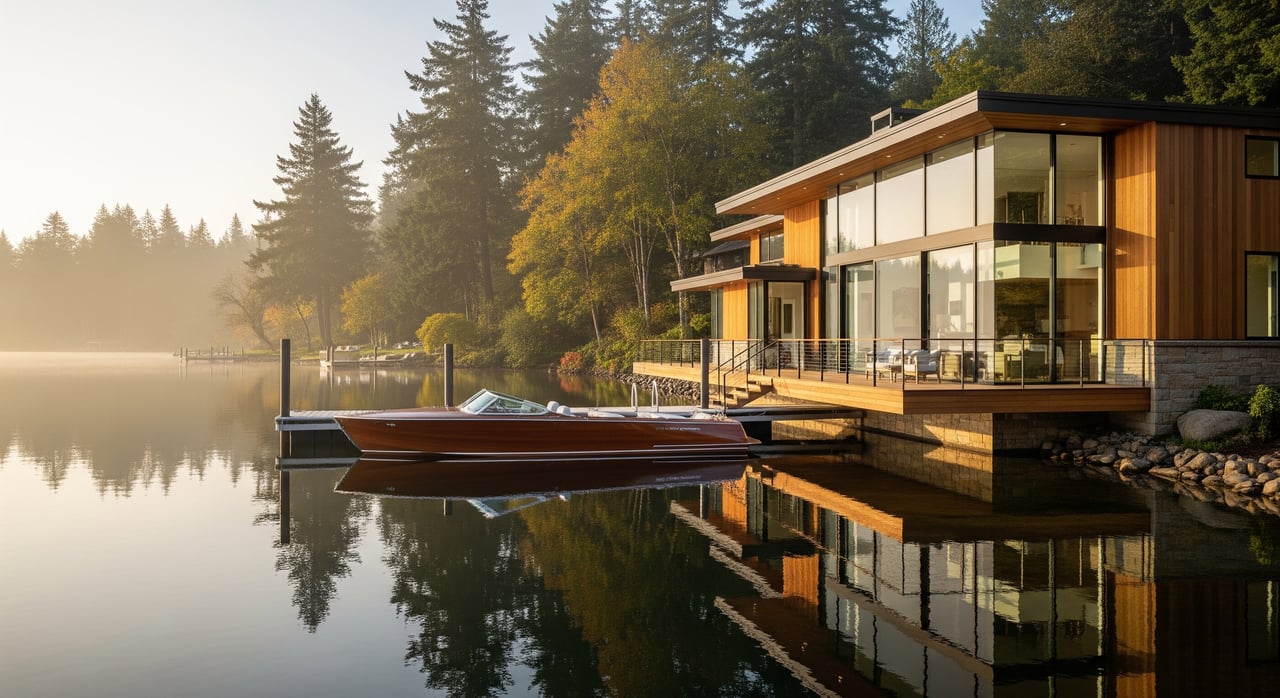
Picture this: you find a stunning home on Oswego Lake with a dock in the photos and a gleaming boat tied up out back. It looks perfect. But here is the catch: waterfront appearance does not automatically mean you have the right to use the lake or keep that boat. If you want the lake lifestyle, you need to verify the exact rights attached to the property. In this guide, you will learn how lake rights work, what to ask for before you write an offer, and how these details affect price, financing, and insurance. Let’s dive in.
Oswego Lake at a glance
Oswego Lake is not an open public recreational lake. Access, moorage, and use are controlled by recorded property rights and private governance. You should assume lake use requires either a right recorded to the lot or membership and permission from a lake entity.
That distinction matters. Two homes can sit side by side on the water, yet only one may have the legal right to moor a boat or maintain a private dock. City, county, and state rules can also apply to shoreline structures and any work over the water, so you will want to check local permitting requirements as part of your review.
Types of lake access and moorage
Appurtenant moorage rights
Some homes have moorage rights recorded on the deed. These rights typically run with the property and transfer at closing, though fees and rules may still apply. The recorded language may even specify a particular dock or slip number.
Private exclusive docks
Waterfront owners may have their own dock adjacent to the lot. The owner usually handles maintenance and repairs, subject to lake and city approvals. Condition and permitting status vary, so a specialized dock inspection is essential.
Shared or community docks
In some areas, multiple owners share a dock managed by an HOA or a lake association. Use may be assigned, rotate by schedule, or depend on a waiting list. Some shared slips do not transfer automatically at sale.
Dry storage and hoists
Some properties rely on dry storage, an on-lot hoist, or a davit. These options are governed by local permits and association rules and may come with size or equipment restrictions.
Lake view only
A waterfront lot can still lack moorage or direct use rights. In those cases, you may enjoy views or limited access but have no right to keep a boat on the water or install a dock.
What varies by property
- Transferability: Some rights pass with the deed. Others require association approval or do not transfer at all.
- Location and assignment: A right may name a specific slip, or it may be a general lake right without a fixed location.
- Restrictions: Boat size, engines, hours, and no-wake zones may be limited by lake rules.
- Condition and permits: Older docks may need repair, retrofits, or fresh permits to meet current codes.
Governance and documents to review
Who manages the lake
Private lakes are often overseen by a lake corporation or association. These entities manage water levels, shared moorage, rule enforcement, and fees. Their rules and budgets can directly affect your use and costs.
HOAs and CC&Rs
Neighborhood HOAs may control shared shoreline areas, assign slips, levy assessments, and set rules through CC&Rs and bylaws. Review these documents early to understand the obligations you are taking on.
What to look for in the paperwork
- Fees: Annual assessments, moorage fees, transfer or initiation fees, and the history of any special assessments
- Transfer rules: Whether moorage rights transfer at closing or require approval or fees
- Maintenance: Who pays for dock repairs, replacement, dredging, and bulkhead work
- Approvals: Whether the association or lake entity must approve dock changes and whether owner insurance is required
- Disputes: Any history of litigation, repeated violations, or rule changes that could affect future costs or use
Where rights are recorded
Moorage rights are typically recorded at the county level. A full title search through the Clackamas County Recorder should reveal deeded lake rights, easements, and encumbrances. Ask for copies of all recorded instruments tied to the lot.
Pricing and offer strategy
How lake rights affect value
Homes with deeded moorage or direct lake access usually command a premium over similar non-lakefront properties. Value depends on the quality and certainty of the right, dock condition, view corridors, proximity to shared amenities, and the fee structure tied to the right. Missing or non-transferable moorage, older docks in need of repair, or high recurring fees can reduce value or marketability.
Smart contingencies to include
- Title and rights verification: Confirm recorded moorage rights and any deed restrictions
- Association review: Approve CC&Rs, bylaws, fee schedules, meeting minutes, budgets, and an estoppel certificate
- Dock and shoreline inspection: Engage a qualified marine or structural inspector for pilings, decking, anchoring, electrical, and davits
- Permits and approvals: Verify permits exist or can be obtained for dock structures and any proposed changes
- Transfer confirmation: Confirm whether the slip or moorage transfers at closing and whether approvals or fees apply
Timelines and negotiations
Expect longer contingency periods to collect documents, book specialized inspections, and obtain approvals. Earnest money timelines and closing dates may need to reflect these steps. Sellers and buyers often negotiate around fee responsibility for transfers and any repairs flagged by dock inspections.
Financing, title, and insurance
Lender and appraisal considerations
Lenders will want clear evidence of any moorage rights that impact value. Appraisals should rely on comparable sales that match lake rights as closely as possible. When clear comparables are limited, valuation can be more complex.
Title insurance essentials
Your title policy should disclose recorded lake rights and related encumbrances. Some exceptions may remain for unrecorded claims or active disputes. Review the preliminary title report with your agent and escrow officer to verify what the policy covers.
Insurance, liability, and flood risk
Waterfront ownership can increase liability exposure. Insurers may require higher liability limits or watercraft endorsements, and some have restrictions on certain shoreline structures. Even on private lakes, you should evaluate flood risk, wave action, erosion, and any relevant maps or historic events that could influence coverage needs.
Due diligence checklist for buyers
Use this list as a starting point and tailor it to the specific property.
Request these documents early
- Full title report plus recorded lake rights, easements, and deed restrictions
- Plat map with lot lines, common areas, and any recorded moorage assignments
- HOA or lake organization CC&Rs, bylaws, rules, fee schedules, meeting minutes, and financials
- Estoppel certificate with current dues, transfer fees, pending assessments, and any violations
- Permits and records for docks, bulkheads, and shoreline improvements, including repairs and maintenance
- Any insurance certificates that show required coverage for docks or moorage structures
Inspect and verify on site
- Dock and shoreline inspection by a qualified marine or structural specialist
- Permit check for any unpermitted work or structures that may need retrofit or removal
- Boundary and survey to confirm setbacks and shared or overlapping use areas
- Flood, erosion, or shoreline stability indicators that may require mitigation
Questions to ask the seller or association
- Is the moorage right recorded and appurtenant to the deed? Does it specify a slip number or location?
- Do moorage rights transfer automatically at sale, or is association approval required?
- What are the recurring annual fees and one-time transfer fees, and who usually pays them?
- Is there a waiting list for assigned slips or community docks? How are assignments made?
- Who is responsible for dock repairs, replacement, and dredging, and how are costs shared?
- Are there pending special assessments, litigation, or regulatory changes that could affect use or cost?
- What boat size, engine, or seasonal restrictions apply?
Recommended contingencies to include
- Buyer approval of title, recorded lake and moorage rights, CC&Rs, bylaws, and the estoppel certificate
- Satisfactory dock and shoreline inspection and verification of required permits
- Confirmation of transferability of moorage rights and acceptance by the relevant association or lake entity
How we help you buy on Oswego Lake
You deserve clarity before you commit to a lakefront home. With deep local expertise and a negotiation-first approach, you get a streamlined plan that protects your interests.
Our process for lake buyers
- Rights-first review: We start with title, recorded lake rights, and association documents so you understand exactly what you are buying.
- Specialist inspections: We help you line up qualified marine and shoreline inspections and verify permits.
- Smart structuring: Your offer includes the right contingencies and timelines to secure approvals without unnecessary risk.
- Lender and insurance coordination: We guide you on appraisal expectations and connect you with insurance options that fit waterfront ownership.
Ready to talk strategy for a specific property or neighborhood on Oswego Lake? Connect with Lisa Hanna to schedule a free consultation and get a clear plan for your search.
FAQs
What should Lake Oswego buyers know about lake rights?
- Lake use is not automatic. Confirm recorded moorage or lake rights tied to the deed, plus any association rules and fees, before you make an offer.
How do moorage rights affect home value on Oswego Lake?
- Deeded moorage and direct lake access usually increase value, while non-transferable rights, aging docks, or high fees can reduce value and marketability.
What documents confirm moorage on an Oswego Lake property?
- Request the full title report, recorded lake-rights or easement documents, plat maps, CC&Rs, bylaws, fee schedules, meeting minutes, and an association estoppel.
What inspections are essential for Oswego Lake waterfront homes?
- A specialized dock and shoreline inspection, permit verification, and a survey or boundary check are key, along with standard home inspections.
How do lenders and appraisers treat lake features in Lake Oswego?
- Lenders want clear evidence of transferable rights used in valuation, and appraisals should use comparable sales that reflect similar lake rights.
What insurance issues come with owning a dock on Oswego Lake?
- Expect higher liability exposure, possible watercraft endorsements, and underwriting rules for shoreline structures. Evaluate flood and erosion risks as well.