Trying to choose a Lake Oswego neighborhood that actually fits how you live? With so many great pockets around the lake, downtown, golf courses, and quiet cul‑de‑sacs, it can be hard to know where to start. If you are relocating or weighing a move across town, a clear lifestyle lens makes the decision easier. In this guide, you will match your priorities to the right areas, understand commute and park access, and learn what to verify before you buy. Let’s dive in.
Quick orientation to Lake Oswego
Lake Oswego is a mature suburb on the south shore of Oswego Lake. Neighborhoods cluster around a compact downtown core, the lake’s shoreline coves, golf and country‑club areas, and quieter residential pockets with larger lots and cul‑de‑sacs. You trade walkability in and near downtown for larger yards and more privacy as you move into interior areas.
As you compare options, think about commute routes, school boundaries, your preference for lake access, and your comfort with HOA rules in certain subdivisions. The right match comes from balancing these factors with your day‑to‑day routine.
Downtown walkability
What you will love
If you want to step out for coffee, dinner, or the farmers market, the downtown/Old Town area delivers. You can walk to restaurants, cafes, boutique retail, banking, the library, and community events. Condos, townhomes, and renovated older homes give you choices if you prefer a low‑maintenance lifestyle.
Tradeoffs to expect
You will see smaller lots and a higher share of multi‑family homes near the core. Event days can bring extra street activity and limited on‑street parking. If you need a large yard or a five‑bedroom single‑family home, inventory may be tight close in.
Best‑fit checklist
- You value short evening walks to dining and errands.
- You prefer condo or townhome living, or a smaller‑lot single‑family home.
- You are comfortable with occasional street noise and limited private outdoor space.
- You want convenient access to local transit stops.
Lake‑oriented living
What you will love
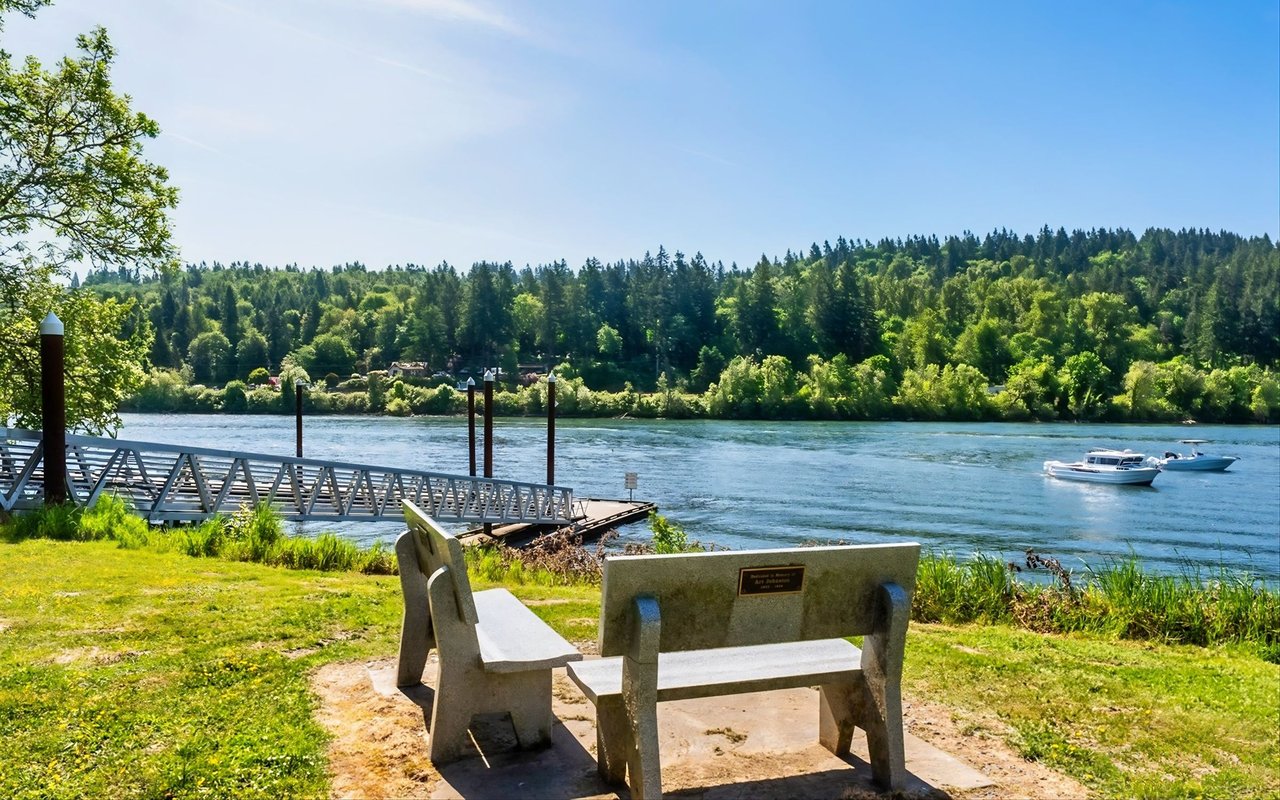
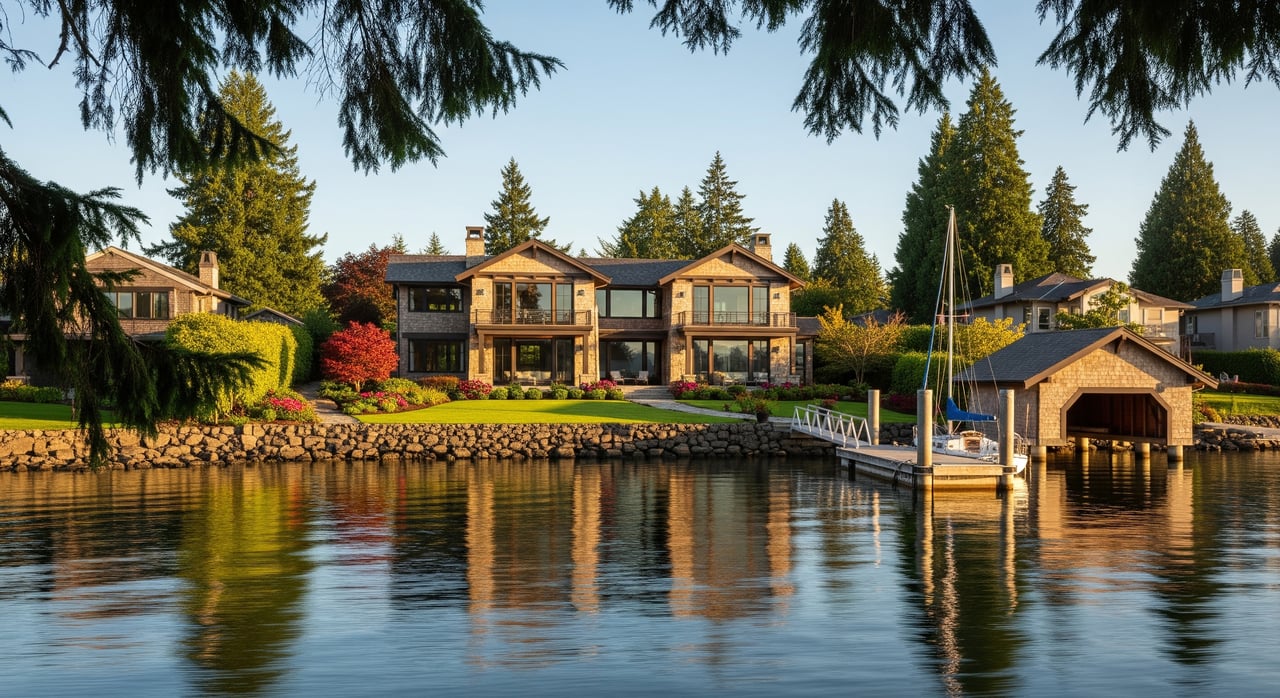
Oswego Lake is the city’s visual and recreational centerpiece. Waterfront and near‑lake properties offer scenic views and a boating lifestyle that centers your days around the water. Many buyers are drawn to private docks, paddleboarding, and evening sunsets from the deck.
Key practicalities
Public access to Oswego Lake is more limited than many public lakes, and shoreline rights are unique. Dock ownership, use of the lake, and shoreline improvements are governed by local regulations and private riparian rights. Always verify a property’s specific access, any easements, and association rules before you make an offer.
Tradeoffs to expect
True lakefront parcels are scarce and command a premium, with turnover that can be infrequent. Expect potential HOA obligations, design review, or restrictive covenants in certain areas. During peak boating season, activity on the water can add to ambient noise.
Best‑fit checklist
- You prioritize water access and scenic views above lot size.
- You are prepared for premium pricing and targeted inventory.
- You are ready to complete detailed due diligence on lake rights and dock permits.
- You are comfortable with association rules when they apply.
Country‑club adjacency
What you will love
Homes near golf and country‑club facilities offer tree‑lined streets, larger setbacks, and a classic residential feel. If you enjoy a private‑club social calendar, proximity to these venues can be a major plus. You often find ample lots and refined landscaping in these pockets.
Considerations
If you plan to use club amenities, factor in membership costs and event traffic at certain times. Some nearby subdivisions may include covenants or design review. These areas sit at the upper end of the single‑family market and can see steady demand.
Best‑fit checklist
- You prefer larger lots and a traditional residential setting.
- You appreciate the club lifestyle and events.
- You are comfortable with covenants or design standards where present.
- You want a quiet street feel that is still reasonably close to services.
Quiet cul‑de‑sacs and family neighborhoods
What you will love
Interior residential pockets across Lake Grove, Westlake, and parts of South Lake Oswego feature short lanes and cul‑de‑sacs with low through traffic. Yards are larger, and neighborhood parks and trails are common. Many buyers who want more space and a community feel choose these areas.
Considerations
You may drive farther for dining unless you are near a commercial node. Transit access can be less direct compared with corridors closer to downtown or major roads. Homes range from mid‑century to newer infill, so condition and updates vary street by street.
Best‑fit checklist
- You want a larger yard and quieter streets.
- You prefer single‑family homes with more space.
- You are comfortable driving to restaurants or services.
- You want convenient access to nearby parks and playgrounds.
Commuting and transportation
Lake Oswego sits south of Portland across the Willamette River, with common commutes to downtown Portland, South Waterfront, Beaverton, and other hubs. Major corridors include Boones Ferry Road and connections to I‑5, I‑205, and Highway 217 through nearby suburbs. TriMet bus routes serve parts of Lake Oswego, but service levels and frequency vary by route and time of day.
Use these steps to test your commute before you decide:
- Drive your most likely route during peak hours on two different weekdays.
- If you plan to use transit, review bus schedules for weekday and weekend service.
- Time school drop‑offs and after‑school activities; kid logistics often differ from your work commute.
- Consider parking, last‑mile walks, and elevation changes if you plan to bike.
Typical commute times here track with inner Portland suburbs, but traffic, bridge crossings, and departure time can add variability. Your exact origin and destination make a big difference.
Parks, trails, and the outdoors
Oswego Lake anchors the local landscape, but the city also maintains a strong network of parks, greenways, and playgrounds. George Rogers Park is a popular waterfront spot near the downtown area. Nearby, Tryon Creek State Natural Area offers trails and a forested escape on the Portland/Lake Oswego border.
If outdoor time is a priority, map these details during your search:
- Walking distance to your nearest park or playground.
- Trail and bike‑lane options for recreation or commuting.
- Pet‑friendly areas and open spaces you plan to use weekly.
- Exact lake access status for any property you are considering.
Schools and boundaries
Many families move to Lake Oswego for the strong public school reputation. The Lake Oswego School District is regionally recognized, and school boundary lines can split neighborhoods. For any address, confirm current elementary, middle, and high school assignments and ask about any planned boundary updates.
Keep in mind that program availability can vary by school. If a specific program is important to you, verify enrollment criteria and transportation options.
How to compare neighborhoods side by side
Use this practical checklist to align neighborhoods with your lifestyle:
- Walkability: How many weekly errands or meals out can you do on foot? If most of your routine happens downtown, the Old Town corridor may serve you best.
- Lot size and privacy: If yard space and quiet streets top your list, start with interior cul‑de‑sacs and larger‑lot areas.
- Lake access: If boating or paddleboarding is a must, focus on waterfront or near‑lake streets and verify riparian rights early.
- Club proximity: If you want club events in your weekly rhythm, look at golf‑adjacent pockets with larger setbacks.
- Commute: Test your route to work, schools, and activities; small location shifts can save you time.
- HOA and covenants: Review rules for design standards, parking, or rentals; make sure they align with your plans.
- Budget fit: Waterfront and country‑club areas command premiums; downtown condos and townhomes can offer relative savings compared with large single‑family homes near the lake.
Due diligence before you write an offer
A little homework up front protects your lifestyle goals and your budget:
- Verify lake rights and dock status for any property near the water.
- Review any HOA documents, design guidelines, and fees.
- Confirm school assignments for the current year, and ask about planned changes.
- Drive your commute during peak hours and review transit frequency if you will use it.
- Check for property‑specific risks such as floodplain, hillside stability, or tree management history.
- Walk the block at different times to understand traffic, noise, and parking patterns.
Your next step
Matching your lifestyle to the right Lake Oswego neighborhood is part art and part local knowledge. Whether you want to walk to dinner, launch a paddleboard from your dock, live near club greens, or stretch out on a quiet cul‑de‑sac, an experienced guide helps you balance tradeoffs with confidence. If you would like a neighborhood tour or a tailored short list of homes, connect with Lisa Hanna for a no‑pressure consultation.
FAQs
How walkable is Downtown Lake Oswego for daily errands?
- The downtown/Old Town core concentrates restaurants, cafes, shops, banking, the library, and community events, so many errands and evenings out are walkable.
Is Oswego Lake public, and how does access work?
- Shorelines include private ownership and limited public access; verify any property’s riparian rights, dock status, and association rules before assuming lake use.
Which Lake Oswego areas are closest to golf and clubs?
- Neighborhoods adjacent to country‑club and municipal golf facilities offer larger setbacks and a traditional residential feel; membership is separate if you want club amenities.
What are typical commute options from Lake Oswego to Portland?
- Common routes use Boones Ferry Road with connections to I‑5, I‑205, and Highway 217; TriMet buses serve select corridors, and exact times vary by route and departure.
How do I confirm public school boundaries for an address?
- Check current district boundary maps for elementary, middle, and high school assignments, and ask about any planned changes that could affect future enrollment.
Are there HOAs in Lake Oswego, and what do they cover?
- Some neighborhoods and lake‑area streets have HOAs or covenants that may regulate design, docks, parking, and rentals; review documents and fees during due diligence.